
Physical, Technical, and Operational Security Assessments: What's the Difference and Why You Need All Three
Key Takeaways
A physical security assessment evaluates barriers, entry points, lighting, camera placement, and the built environment
A technical security assessment evaluates your electronic systems cameras, access control, alarms, networks, and cybersecurity posture
An operational security assessment evaluates your people, policies, and procedures how your organization actually responds to threats
Each assessment type uncovers a different category of vulnerability gaps in one area often create or amplify risks in another
Most facilities have had at least one of these done at some point few have had all three done together, which is where the real picture emerges
A proper assessment is the foundation of any security investment; without it, you're guessing
The Assessment You're Missing Is Probably the One That Matters Most
Most property owners and managers think about security in terms of equipment; cameras, locks, alarm systems. What they think about less often is whether that equipment is in the right place, configured correctly, and supported by the processes needed to make it useful. That's exactly what a security assessment is designed to answer.
There are three distinct types of security assessments, and they look at your operation from three different angles. Understanding what each one covers is the first step toward knowing whether your current security program actually addresses your real risks.
Physical Security Assessment
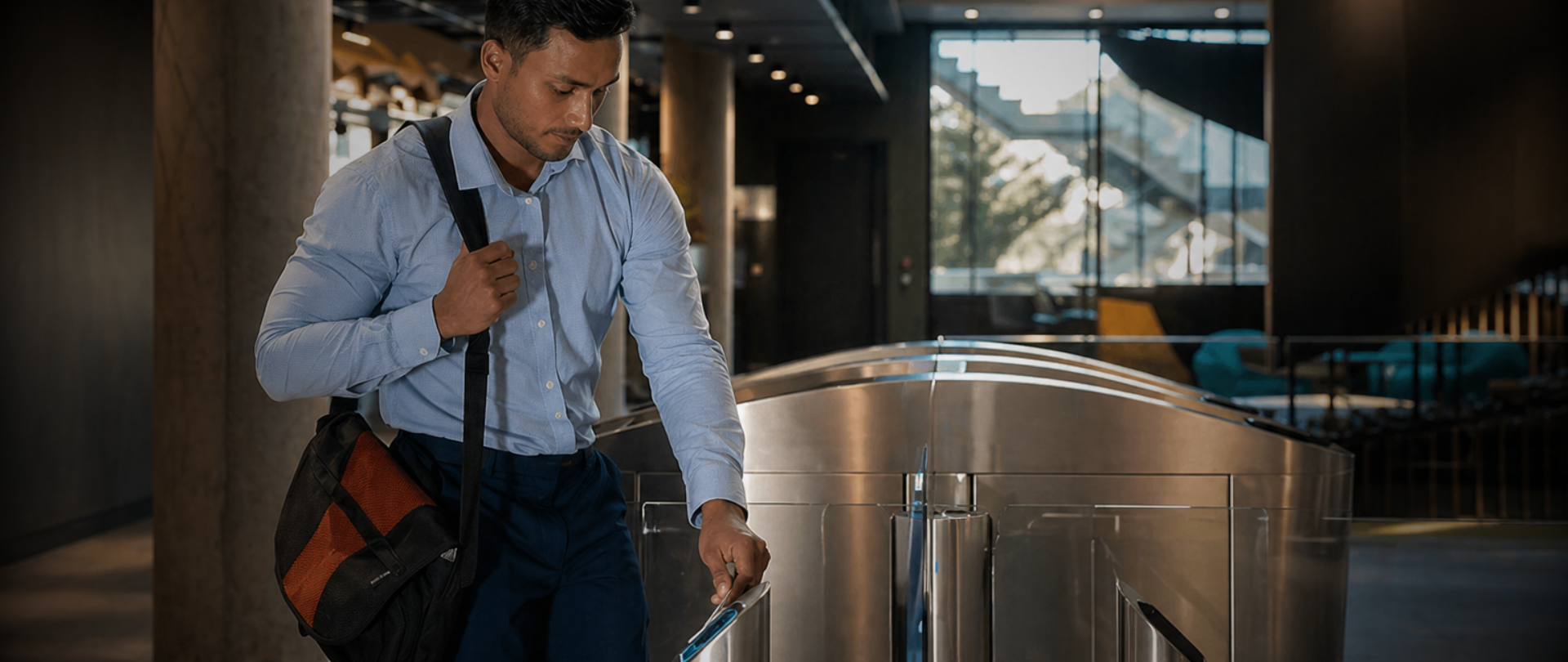
A physical security assessment looks at your built environment and everything in it that affects how people and assets move through your facility.
That includes perimeter security: fencing, vehicle barriers, lighting, natural surveillance sight lines, and the condition of entry points. It covers door hardware, lock grades, door frame integrity, and whether access points are appropriate for the traffic and risk level they carry. Camera coverage areas, blind spots, mounting heights, and whether existing cameras are positioned to capture usable footage — all of that gets evaluated.
The core question is whether an unauthorized person could gain access to areas they shouldn't reach, and whether you'd know about it if they did.
Physical vulnerabilities tend to be both obvious and overlooked. A door with a solid lock and a weak frame is still a vulnerable door. A camera covering the right area at the wrong angle is a gap in coverage, not a control. A parking lot with adequate lighting on one side and none on the other creates a predictable approach route for anyone paying attention.
At Connextivity, physical assessments feed directly into security camera system design and access control planning. Where cameras go and how access points are controlled comes from what the assessment finds, not from default positions or what's easiest to wire.
Technical Security Assessment
A technical security assessment evaluates the electronic systems your security program depends on: cameras, access control hardware, alarm systems, network infrastructure, and the cybersecurity posture of all of it.
Many organizations carry significant exposure here without knowing it. A camera system that hasn't been updated in three years may be running firmware with known vulnerabilities. An access control system with shared credential codes and no audit log provides accountability in name only. Security devices sharing a network VLAN with administrative systems create a lateral movement risk if any one device is compromised.
The technical assessment looks at how devices are configured, how they connect to the rest of your network, whether credentials are properly managed, and whether the system meets current IT and cybersecurity standards. For organizations with federal contracts or compliance obligations, it also evaluates whether equipment meets requirements like NDAA Section 889 — covered in detail in our post on the Hikvision and Dahua ban.
Connextivity's background in both physical security and IT is directly relevant here. Every system we install is configured to meet IT standards and manufacturer requirements. When we assess an existing system, we hold it to the same standards we hold our own work to.
Operational Security Assessment
An operational security assessment looks at the human side of your security program: your policies, procedures, personnel, and how your organization actually functions when something happens.
This covers access credentialing procedures — who has access to what, how that access is granted and revoked, and whether former employees are removed from systems promptly. It includes guard post coverage, response protocols, visitor management, key and credential control, incident documentation, and whether staff outside the security function understand their role in keeping the environment secure.
It also looks at how your physical and technical controls are being used day to day. A camera system is only as useful as the process for monitoring it or retrieving footage from it. A well-configured access control system breaks down quickly if the credentialing process is informal or inconsistently applied.
Operational gaps tend to accumulate quietly. An access list that nobody has reviewed since the last round of staffing changes. A response protocol that staff were trained on once and haven't revisited. A visitor management process that works fine until someone tests it. This type of assessment surfaces that kind of thing consistently, because it's designed to look at what's actually happening rather than what the policy says should happen.

Why All Three Have to Work Together
Physical, technical, and operational controls are interdependent. A well-designed physical environment with poorly configured technology leaves your detection capability unreliable. Strong technology with weak operational procedures means the data you're collecting isn't being used. Good policies with physical vulnerabilities leave a path that your program wasn't built to address.
The facilities with the strongest security programs aren't always the ones with the most equipment. They're the ones where the physical environment, the technology, and the operational procedures were built to support each other. Getting there starts with an honest look at where the gaps are across all three areas — which is what a comprehensive security assessment is designed to deliver.
FAQs
How long does a security assessment take?
It depends on the size and complexity of the facility. A single-site commercial assessment typically takes one to two days on-site, followed by report preparation. Multi-site or more complex environments take longer.
Do I need all three types of assessments at once?
Not always, but understanding where you stand across all three gives you the most complete picture. In many cases, findings in one area point directly to issues in another, so addressing them in isolation can lead to incomplete solutions.
How often should a security assessment be done?
A baseline assessment should be done before any major security investment. After that, annual reviews are a reasonable standard for most commercial facilities, with additional assessments after significant changes to your space, staff, or operations.
What do I get at the end of an assessment?
A written report documenting findings, risk ratings, and prioritized recommendations. The goal is a clear action plan, not a list of problems without context.
Can an assessment be done on a system we didn't install?
Yes. We regularly assess and work with existing systems regardless of who originally installed them.
Final Thoughts
A security assessment isn't a formality, it's the document that tells you whether your security program is built for your actual risks or just built to look the part. Most facilities have had one type of assessment done at some point. Far fewer have had all three done with the intention of understanding how they connect.
If your last assessment was more than a year ago, if you've had significant changes to your space or staff, or if you've never had a formal assessment done at all, the gaps in your program are likely larger than you'd expect. The investment in finding them is significantly smaller than the cost of discovering them after an incident.
Not Sure Where Your Program Stands?
That's actually the most common starting point. Most of the clients we work with don't come to us knowing exactly what's wrong — they come to us because something feels off, or because they're about to make a significant investment and want to make sure it's going in the right direction.
Connextivity conducts physical, technical, and operational security assessments for commercial facilities, government offices, and institutional clients. Our team holds CPP and CSPM certifications, and every assessment is led by credentialed security professionals.
If you'd like a straight answer about what your current program is and isn't covering, reach out at info@connextivity.com or visit connextivity.com.
Related Articles