
How Axis Camera Installation Helps NYC Buildings Actually Improve Security
Key Takeaways
Most NYC buildings with security problems already have cameras installed. The issue is almost never camera count. It is camera placement, configuration, and whether the system was designed around how the building actually operates.
Axis Communications cameras are built on an open IP architecture that integrates natively with access control, VMS platforms including Axis Camera Station and Milestone Systems, and intercom systems including 2N. This integration turns isolated recording into a coordinated security environment.
Axis-specific technologies including Lightfinder for low-light performance, Wide Dynamic Range for backlit environments, and ARTPEC-based on-camera analytics address the specific conditions that make NYC commercial building surveillance difficult: variable lighting, dense environments, and high-traffic entry points that need identification-quality footage.
Connextivity holds Axis Certified Professional credentials, which means camera configuration, analytics setup, and system integration are performed to manufacturer standards rather than to generic installer practice.
Adding cameras to a poorly designed system produces more poorly covered footage. The more cost-effective improvement is almost always better placement, correct configuration, and system integration on the cameras already installed.
Most commercial buildings in New York City already have cameras. The footage exists. When something happens, however, the system frequently cannot answer the questions that matter. The clip is too dark to identify anyone. The camera that covers the area where the incident occurred was positioned to satisfy a coverage requirement rather than to capture usable detail. The footage is there but takes hours to locate across disconnected platforms.
The problem is not missing cameras. It is a system that was installed without being designed.
Axis Communications cameras are not a solution to that problem on their own. A poorly positioned Axis camera produces the same unusable footage as any other camera pointed at the wrong angle. What Axis provides is a platform where, when installation is done correctly by certified professionals who understand both the technology and the building's operational context, the system can actually deliver identification-quality footage, low-light visibility, integration with access and intercom systems, and on-camera analytics that support real-time response rather than after-the-fact review.
This post covers what Axis technology specifically provides, where it matters most in NYC commercial buildings, and why installation quality determines whether those capabilities are actually realized.
Why Having Cameras Is Not the Same as Having Security
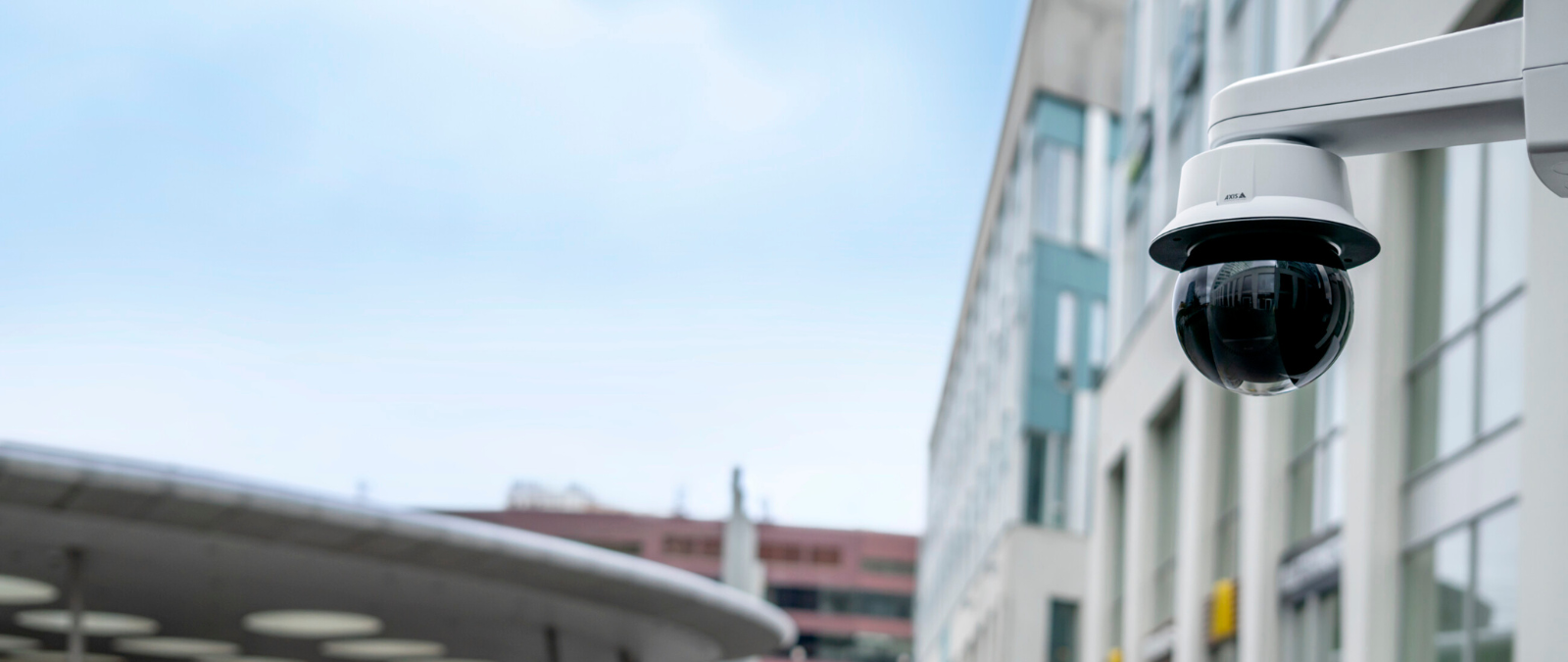
The most consistent finding across security assessments of NYC commercial buildings is not missing hardware. It is hardware that exists but is not providing what the building needs it to provide. A camera mounted above a service door at ceiling height capturing the tops of visitors' heads is technically present and technically recording. It is not providing identification-quality footage.
A camera covering a lobby entrance that faces west in the afternoon produces silhouettes during peak ingress hours because nobody accounted for the backlight conditions when it was positioned. A building with fifty cameras and no VMS integration means that finding footage from a specific event requires manually reviewing up to fifty feeds without searchable timestamps. These are not camera failures. They are design failures. And they are the norm rather than the exception in buildings where security systems were installed without a formal design process.
The implication is direct: before evaluating whether different or additional cameras would improve a building's security, the right question is whether the current cameras are positioned correctly, configured appropriately, and integrated with the other systems they should be working alongside. For many buildings, the answer to that question produces more improvement than any hardware change would.
What Axis Technology Specifically Provides
Axis Communications is not a generic IP camera manufacturer. The platform carries specific technical capabilities that address the conditions that make NYC commercial building surveillance difficult.
Lightfinder delivers color imaging in near-darkness conditions where standard cameras produce unusable monochrome footage or require supplemental IR illumination that changes the visual environment. For parking garages, stairwells, and building perimeters where ambient light is low and consistent lighting investment has not been made, Lightfinder maintains color detail and image quality that identification requires.
Wide Dynamic Range (WDR) addresses one of the most consistent failure points in NYC commercial buildings: lobby and entrance cameras blinded by strong backlighting from windows, glass facades, or street lighting behind visitors. Without adequate WDR, cameras at these locations capture silhouettes. Axis WDR implementation maintains image quality across the full dynamic range of the scene so that a visitor standing in front of a bright window is as identifiable as one in a uniformly lit interior.
ARTPEC processors power on-camera analytics that run directly on the camera hardware rather than requiring server-side processing. On-camera analytics from Axis include object classification distinguishing people from vehicles, motion detection with configurable sensitivity zones, loitering detection, and direction-of-travel analytics. For commercial and business properties where real-time situational awareness matters alongside historical footage retrieval, these analytics generate alerts when defined conditions are met rather than requiring someone to be watching live feeds continuously.
Axis Camera Station is Axis's native VMS platform that provides unified management for Axis camera deployments with direct integration between camera hardware and management software. For buildings running Axis cameras, the combination of hardware and native VMS produces a simpler, more reliable integration than connecting Axis hardware to third-party management software through generic protocols. For larger or multi-vendor deployments, Axis cameras also integrate with Milestone Systems VMS through both ONVIF and direct manufacturer integration.
Zipstream compression technology reduces storage and bandwidth requirements by 50 percent or more while maintaining evidence-quality footage. For buildings where storage infrastructure was sized for lower-resolution cameras or where network bandwidth is constrained, Zipstream extends the capability of existing infrastructure rather than requiring hardware upgrades to support higher-quality cameras.
What Axis Certified Professional Installation Means in Practice
The Axis Certified Professional credential requires completing Axis's manufacturer certification program covering camera configuration, network design for IP camera deployments, Axis Camera Station setup and management, analytics configuration, and integration with access control and intercom systems.
The practical difference between Axis Certified Professional installation and generic installation is most visible in configuration. An Axis camera installed by a generic installer is typically deployed with default settings adjusted minimally for the specific environment. An Axis camera installed by a certified professional has its exposure settings, WDR configuration, Lightfinder sensitivity, analytics zones, and network parameters set for the specific conditions of the specific location where it is mounted.
The same camera hardware produces materially different footage quality at night, in backlit conditions, and in mixed-traffic environments depending on whether those settings were configured by someone who understands the platform or left at generic defaults. This is why the Axis Certified Professional credential exists and why Connextivity maintains it as a standing qualification for installation work.
How Axis Cameras Integrate With the Building's Security Architecture
Axis cameras are designed for open integration rather than proprietary lock-in. They support ONVIF Profile S and G standards, which enable integration with any ONVIF-compatible VMS, access control platform, or alarm system. They also carry direct manufacturer integrations with Axis Camera Station, Milestone Systems, Genetec, and other professional platforms that go beyond ONVIF's baseline capability.
For buildings where access control is integrated with the camera system, a door event generates a timestamped camera clip automatically. Security staff reviewing an after-hours access event see the footage associated with that specific event without manually identifying which camera covers the door, locating the timestamp, and pulling the clip from a separate interface. The access control and video integration post covers what this unified event architecture produces operationally.
For buildings where 2N video intercoms are integrated with the camera system, visitor interactions at entry points generate documented records that combine the intercom call log and the corresponding camera footage. Because 2N is part of Axis Communications, this integration is native rather than third-party, with automatic device discovery and unified management.
For alarm systems integrated with Axis cameras, triggered sensors surface associated camera footage automatically. A monitoring staff member responding to an alarm event sees the relevant camera view immediately rather than after manually navigating to the right camera in a separate system.
NYC Building Conditions That Axis Hardware Is Designed For
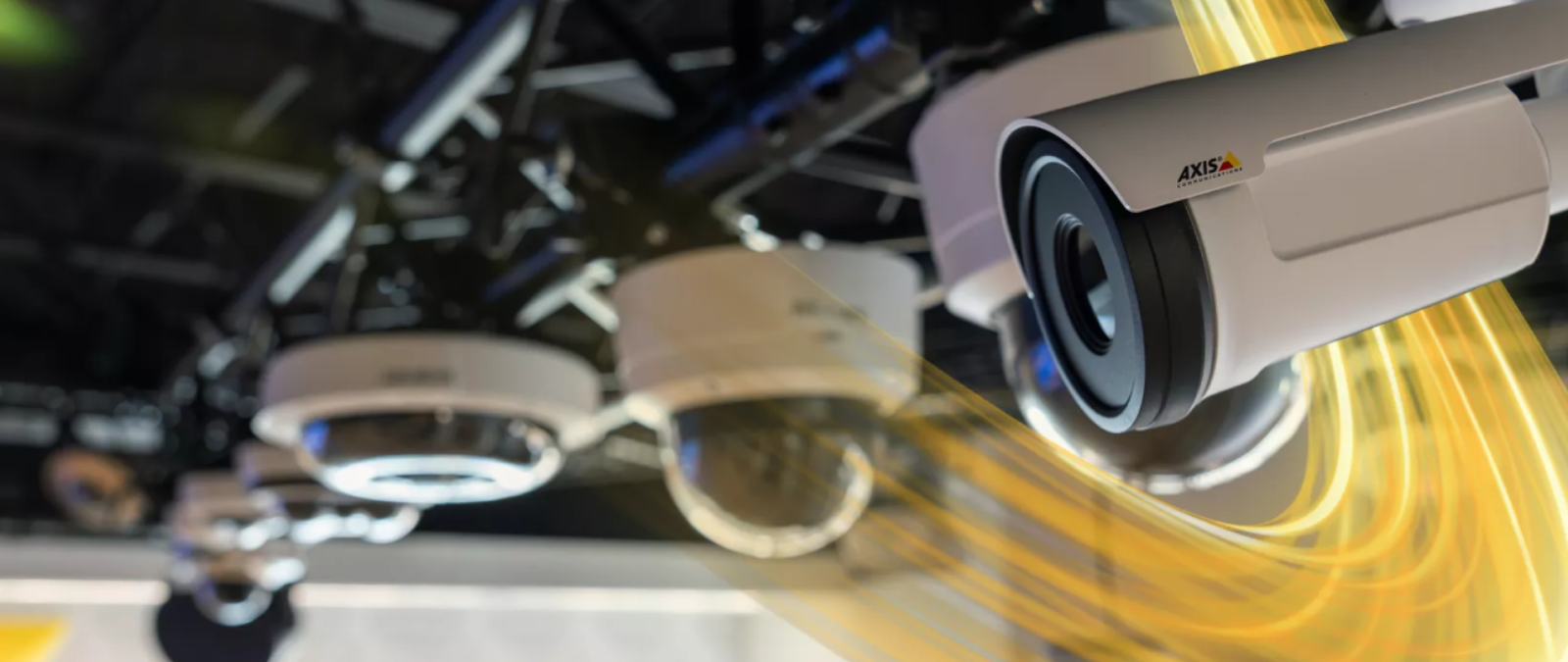
NYC's commercial building environment creates specific surveillance challenges that generic camera hardware handles inconsistently. Variable and extreme lighting is the most persistent problem. Buildings with glass facades, west-facing lobbies, underground parking garages, poorly lit service corridors, and mixed indoor/outdoor coverage zones all require cameras that handle wide dynamic range and low-light conditions reliably rather than in average conditions.
Axis WDR and Lightfinder address these conditions directly. High-traffic entry points with short dwell times require cameras configured to capture identification-quality images of people who are moving through rather than standing still. Lens selection, focal length, and frame rate configuration for moving subjects are all installation decisions that determine whether footage is usable for the specific type of activity the camera is meant to cover. Dense electromagnetic environments from millions of nearby wireless devices, elevator equipment, and dense building infrastructure affect wireless camera transmission reliability.
Connextivity specifies hardwired Axis IP camera installations as the standard, using Power over Ethernet rather than wireless transmission, which eliminates the RF interference vulnerability that wireless camera systems carry in NYC's operating environment. Forhospitality properties, healthcare facilities, and residential and multifamily buildings where specific coverage requirements are driven by the nature of the occupancy rather than generic commercial standards, the combination of Axis's platform flexibility and certified installation that accounts for those specific requirements produces systems that match what the building actually needs.
FAQs
What makes Axis cameras different from other IP camera manufacturers?
Axis originated the network camera category and has built a platform around open integration, on-camera analytics, and proprietary imaging technologies including Lightfinder and Wide Dynamic Range. The open architecture means Axis cameras integrate with virtually any professional VMS, access control, or alarm platform. The imaging technologies address the specific conditions that urban commercial installations encounter regularly. The on-camera analytics reduce the server-side processing requirements for intelligent monitoring. The combination of these features, configured correctly by a certified installer, is what makes the platform perform consistently in demanding environments.
What is an Axis Certified Professional and why does it matter for installation?
The Axis Certified Professional credential requires completing Axis's manufacturer certification program covering camera configuration, network design for IP deployments, Axis Camera Station setup, analytics configuration, and system integration. The practical difference is that certified installation involves configuring camera-specific settings for the specific location and environment rather than deploying hardware at generic defaults. Exposure settings, WDR parameters, Lightfinder sensitivity, analytics zone configuration, and network parameters all affect footage quality in ways that are only realized when someone with manufacturer-level platform knowledge is configuring them for the specific conditions of each installation location.
Do Axis cameras work with existing VMS and access control systems?
Yes. Axis cameras support ONVIF standards that enable integration with any ONVIF-compatible platform, and carry direct manufacturer integrations with Milestone Systems, Genetec, Axis Camera Station, and other professional platforms. Integration with access control systems links door events to associated camera footage automatically. The specific integration capability depends on the platforms involved and requires configuration by someone familiar with both systems. Connextivity manages this integration as part of installation scope rather than treating it as a post-installation configuration task.
How does Axis Zipstream affect storage requirements in a commercial deployment?
Axis Zipstream is a compression technology built into Axis camera hardware that reduces storage and bandwidth consumption by 50 percent or more compared to standard H.264 compression while maintaining the image quality that evidence-grade footage requires. For a building with 60 cameras that would otherwise require 40 terabytes of storage for 30-day retention, Zipstream can reduce that requirement to 20 terabytes or less depending on scene activity. For buildings where existing storage infrastructure was sized for older or lower-resolution cameras, Zipstream extends the capability of that infrastructure rather than requiring replacement.
When should a building add more Axis cameras versus improving the existing installation?
More cameras are the right answer when there are genuine coverage gaps — areas with meaningful security risk that no existing camera covers at all. More cameras are not the right answer when footage from existing cameras is not usable due to poor placement, inadequate configuration, or lack of integration with other systems. In that situation, repositioning, reconfiguring, and integrating existing cameras delivers more security improvement per dollar than adding more hardware. A security assessment distinguishes between these two situations rather than defaulting to one answer.
Conclusion
Most NYC buildings that struggle with security despite having cameras have a design problem, not a hardware problem. The cameras are present. The footage exists. The system was never designed around the specific conditions of the specific building, and that gap shows up every time footage is needed and cannot deliver what the situation requires.
Axis Communications provides the platform capabilities that address the specific conditions NYC commercial buildings encounter: low-light performance, high dynamic range imaging, on-camera analytics, and open integration with access control, VMS, and intercom systems. Those capabilities are realized when the installation is performed by certified professionals who configure the system for the building's operational environment rather than deploying hardware at generic defaults.
The question is not whether Axis cameras are better. It is whether the system they are part of was designed to deliver what the building actually needs. That question starts with an assessment, not a camera specification.
Managing an NYC commercial building where footage is frequently difficult to use when it matters most?
Connextivity holds Axis Certified Professional credentials and designs Axis camera systems for commercial properties across New York City, with assessment-first methodology that establishes what the system needs to deliver before any hardware is specified or positioned. Explore our security camera services or contact us to schedule an assessment.
Related Articles
Professional Security Camera Installation NYC: What Building Owners Need to Know
What NYC Businesses Need to Know Before Choosing an Axis Communications Partner
Why Your Security Cameras Might Be Your Biggest Security Risk
Access Control and Video Integration: Why NYC Buildings Need Both Working Together
