
Avigilon vs Generic IP Cameras: What the Difference Actually Means for NYC Buildings
Key Takeaways
Generic IP cameras record video. Avigilon cameras are engineered to produce footage that is usable during investigation, with AI-powered analytics that accelerate search and identification.
The practical difference between Avigilon and generic cameras is most visible not while they are recording but when someone needs to find a specific person, vehicle, or event across hours of footage under time pressure.
Avigilon's Appearance Search technology allows operators to search footage by physical descriptors — clothing color, gender, height — across an entire camera network simultaneously, rather than reviewing each camera's footage manually.
Avigilon is part of Motorola Solutions and is NDAA Section 889 compliant, with no prohibited manufacturer components in the hardware. For NYC buildings hosting federal tenants or government contractors, this compliance posture is a procurement requirement, not a preference.
Camera hardware quality matters, but system design determines whether that quality is realized. A well-specified Avigilon camera in the wrong position, with default settings and no integration, produces better raw footage than a generic camera and equally unusable investigation results.
Two cameras mounted side by side on a building wall can look nearly identical. Both are IP cameras. Both record in high definition. Both claim outdoor ratings and night vision capability. At the time of installation, they appear to do the same job.
The difference emerges when footage needs to answer a specific question. Who was the person who entered the service corridor at 11:47 PM? What vehicle was parked near the loading dock at the time of the incident? Which direction did a specific individual travel through the building after entering?
Generic IP cameras produce footage that shows that something happened. Avigilon cameras, combined with Avigilon's AI-powered management platform, are designed to answer those questions. That distinction is not marketing language. It is the specific functional gap that separates a camera system that documents from one that actively supports investigation and response.
What "Generic IP Camera" Actually Means
Generic IP cameras are lower-cost network cameras that provide basic video recording capability. They are not inherently poor products. For simple, low-risk applications where the goal is presence of coverage rather than investigation-quality footage, they can be appropriate.
The limitations become relevant when the environment demands more. In low-light conditions without adequate WDR, footage from generic cameras frequently produces silhouettes at backlit entrances and dark blurs in poorly lit corridors. Resolution that reads as high-definition in camera specifications does not translate to identification-quality facial detail at the viewing distances that building surveillance actually requires. Storage and compression implementations that are not optimized for evidence retention produce footage degradation that goes unnoticed until it is needed.
The management systems that generic cameras typically ship with or connect to are designed for basic recording and playback rather than for investigative use. Finding footage from a specific time at a specific location is a manual process. Finding footage of a specific person across multiple cameras and time windows is extremely time-intensive if it is possible at all.
These limitations are not obvious during installation or during normal operations. They surface under exactly the conditions where surveillance is most important.
What Avigilon Specifically Provides
Avigilon, part of Motorola Solutions, builds security systems around the operational question of what happens when footage is needed, not just while it is being recorded.
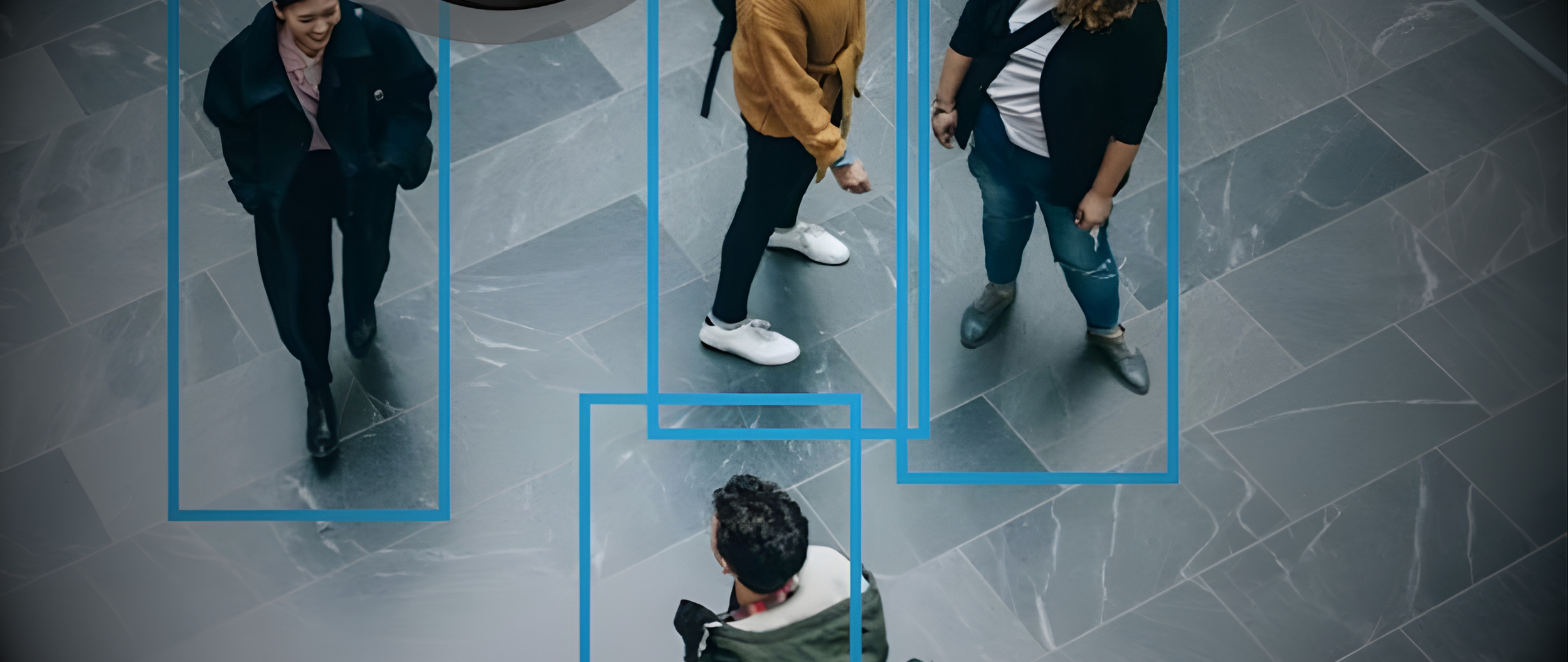
Avigilon Appearance Search is the capability that creates the most meaningful operational difference for investigation. Rather than reviewing each camera's footage sequentially to find a specific person, Appearance Search allows operators to search by physical descriptors across the entire camera network simultaneously. Searching by clothing color, gender, approximate height, and other observable characteristics produces matching results from every camera that captured someone meeting that description. A search that would otherwise require hours of manual footage review resolves in minutes.
AI-powered video analytics including self-learning motion detection, object classification distinguishing people from vehicles, and loitering detection run on Avigilon cameras and generate alerts when defined conditions are met rather than requiring someone to monitor live feeds continuously. For NYC commercial buildings where monitoring resources are limited and camera counts are high, analytics that surface relevant events automatically reduce the operational burden on security staff while improving response time to actual incidents.
High-resolution imaging across Avigilon's camera range provides the detail that facial identification and license plate recognition require at realistic surveillance distances. Resolution is meaningful when combined with appropriate lens selection, correct placement, and a VMS that handles the storage and retrieval of high-resolution footage efficiently. Avigilon's platform is designed for these three elements to work together rather than being optimized independently.
Avigilon Unity and Alta platforms provide the management layer that makes these capabilities operationally accessible. Avigilon Unity is an on-premise platform suited for government installations, classified facilities, and organizations with NDAA compliance requirements or stringent cybersecurity policies. Avigilon Alta is a cloud-based platform suited for commercial properties and multi-site enterprises. Both platforms integrate cameras, access control, visitor management, and analytics into a unified interface. The Connextivity Avigilon partnership post covers both platforms and their respective use cases in detail for readers evaluating which architecture fits their specific environment.
NDAA Section 889 compliance is a procurement requirement for buildings hosting federal tenants, government contractors, or receiving federal funding. Avigilon hardware contains no components from the NDAA-prohibited manufacturers — Hikvision, Dahua, Huawei, ZTE, and Hytera. For NYC commercial buildings where tenant mix includes government-adjacent organizations, this compliance posture eliminates an exposure that generic cameras from some manufacturers carry.
Where the Investigation Gap Shows Up
The scenario that most clearly illustrates the difference between Avigilon and generic cameras is an incident investigation in a mid-size commercial building with 40 cameras and a 30-day retention window. With generic cameras and a basic recording system, the investigation process for an incident at 2:30 PM at a specific entrance involves pulling footage from the relevant camera at that timestamp and reviewing surrounding cameras to track movement. Each step requires manual navigation through the VMS.
Cross-referencing between cameras requires switching between feeds and tracking timestamps manually. Identifying a person who appeared at multiple locations across the building over a two-hour window might require four to eight hours of footage review. With Avigilon and Appearance Search, the same investigation starts with a search of the specific camera at the incident timestamp for visual confirmation, then uses Appearance Search to find every instance of that person across all 40 cameras simultaneously. The complete movement record of the subject through the building for the relevant time window is available in minutes rather than hours.
For commercial and business properties, hospitality facilities, and healthcare environments where security incidents trigger time-sensitive investigation requirements, that difference is operationally significant.
When Generic Cameras Are Actually Sufficient
Generic IP cameras are appropriate for low-risk, low-stakes surveillance applications where the goal is basic coverage rather than investigation-quality documentation. A storage room in a low-traffic area, a secondary corridor with minimal security relevance, or a stairwell where presence detection rather than identification is the objective — these are contexts where the cost differential between generic and professional cameras is not justified by the security requirement.
The assessment question is not whether Avigilon is better in absolute terms. It is what the specific camera location needs to deliver and whether generic hardware can deliver it. A security assessment answers that question by location rather than applying a single hardware standard across every camera in a building. Some locations warrant Avigilon. Others do not. Specifying Avigilon everywhere to avoid the analysis question wastes capital in the same direction as generic cameras everywhere, just more expensively.
The Consistent Principle Across Camera Platforms
Whether the camera platform is Avigilon, Axis, or any other professional manufacturer, the principle that determines whether the investment produces security value is the same.
Hardware capability is the starting point. System design, correct placement, appropriate configuration, and integration with access control and VMS platforms determine whether that capability is realized. An Avigilon camera with Appearance Search capability positioned where it cannot capture usable facial detail, running at default analytics sensitivity with no VMS integration, produces better raw footage than a generic camera and equally limited investigation utility. The hardware investment is only as valuable as the installation design that deploys it.
This is why Connextivity's engagement methodology starts with assessment before any camera platform is specified. The assessment identifies what each location needs to deliver. The specification matches hardware capability to that requirement. Installation and commissioning verify that the deployed system performs what was designed. For more on that sequence and why it consistently produces better outcomes than hardware-first decisions, security assessment before new security gear covers the documented pattern.
FAQs
What is Avigilon Appearance Search and how does it work?
Avigilon Appearance Search is an AI-powered forensic search tool that allows operators to search for a specific person or vehicle across an entire camera network simultaneously by physical descriptors such as clothing color, gender, approximate height, and other observable characteristics. Rather than reviewing each camera's footage manually to track a subject's movement through a building, Appearance Search produces matching results from every camera in the network that captured someone meeting the search criteria. This reduces investigation time from hours to minutes in buildings with large camera counts.
Is Avigilon NDAA compliant and why does that matter for NYC buildings?
Yes. Avigilon hardware is manufactured without components from the NDAA Section 889 prohibited manufacturers, which include Hikvision, Dahua, Huawei, ZTE, and Hytera. NDAA compliance is a mandatory procurement requirement for buildings hosting federal tenants, government contractors, or receiving federal funding. It is also increasingly a standard specification for regulated industries and organizations with government relationships. For NYC commercial buildings where the tenant mix may include these organizations, specifying NDAA-compliant camera hardware eliminates a compliance exposure that some generic camera manufacturers carry.
What is the difference between Avigilon Unity and Avigilon Alta?
Avigilon Unity is an on-premise platform where all data and processing remain within the organization's network infrastructure, suited for government installations, classified facilities, and organizations with cybersecurity policies that prohibit cloud-connected security systems. Avigilon Alta is a cloud-based platform providing centralized management, remote access, and scalability without on-premise server requirements, suited for commercial properties and multi-site enterprises. Both platforms integrate cameras, access control, and analytics into a unified interface.
How does Avigilon compare to Axis Communications cameras?
Both are professional-grade platforms from established manufacturers with strong commercial track records. Avigilon's primary differentiators are AI-powered investigation tools including Appearance Search and the Avigilon Unity/Alta platform integration. Axis's primary differentiators are open-architecture flexibility supporting integration with virtually any VMS or access control platform, imaging technologies including Lightfinder for low-light performance, and native integration with 2N video intercoms. Many large commercial deployments use both — Axis cameras for standard coverage applications and Avigilon for high-priority locations requiring AI analytics and investigation capability. The right specification depends on the specific requirements of the deployment.
When does the cost premium for Avigilon versus generic cameras become justified?
The cost premium becomes justified when the security requirement for a specific location demands investigation-quality footage, AI-powered analytics for real-time response, or NDAA compliance. Entry points where identification quality matters, high-traffic areas where Appearance Search provides investigation value, and facilities with compliance requirements that mandate NDAA-compliant hardware are all contexts where Avigilon's premium reflects genuine capability differential. Low-risk secondary locations where basic coverage is the objective may not warrant that premium. A location-by-location assessment rather than a uniform hardware specification across the building produces the most cost-effective allocation.
Conclusion
The difference between Avigilon and generic IP cameras is not primarily visible while both are recording. It becomes visible when footage needs to answer specific questions under time pressure, when an investigation requires tracking a subject across an entire camera network, or when a compliance requirement mandates that no NDAA-prohibited hardware components be present.
Generic cameras document that something happened. Avigilon, deployed on the Unity or Alta platform with Appearance Search and AI analytics, provides tools to understand what happened and who was involved in the time that matters for investigation and response.
For NYC commercial buildings where incident investigations are real operational requirements rather than hypothetical scenarios, and where tenant mix or regulatory environment creates NDAA compliance obligations, the investment in Avigilon over generic hardware reflects a specific and verifiable capability differential. That differential is only realized when the system was designed correctly, which is a separate question from which hardware was specified.
Managing an NYC commercial property where incident investigations consistently produce inconclusive footage from cameras that technically work?
Connextivity is a Certified Avigilon Partner and designs camera systems for commercial properties across New York City with assessment-first methodology that specifies hardware capability against the actual requirements of each location. Explore our security camera services or contact us to schedule an assessment.
Related Articles
How Axis Camera Installation Helps NYC Buildings Actually Improve Security
Professional Security Camera Installation NYC: What Building Owners Need to Know
Connextivity Announces Partnership as a Certified Avigilon Partner
Why Your Security Cameras Might Be Your Biggest Security Risk
Security Assessment Before New Security Gear: Why the Sequence Matters