
SPORTS AND ENTERTAINMENT SECURITY SYSTEMS NYC
Venue Security Systems for Stadiums and Arenas
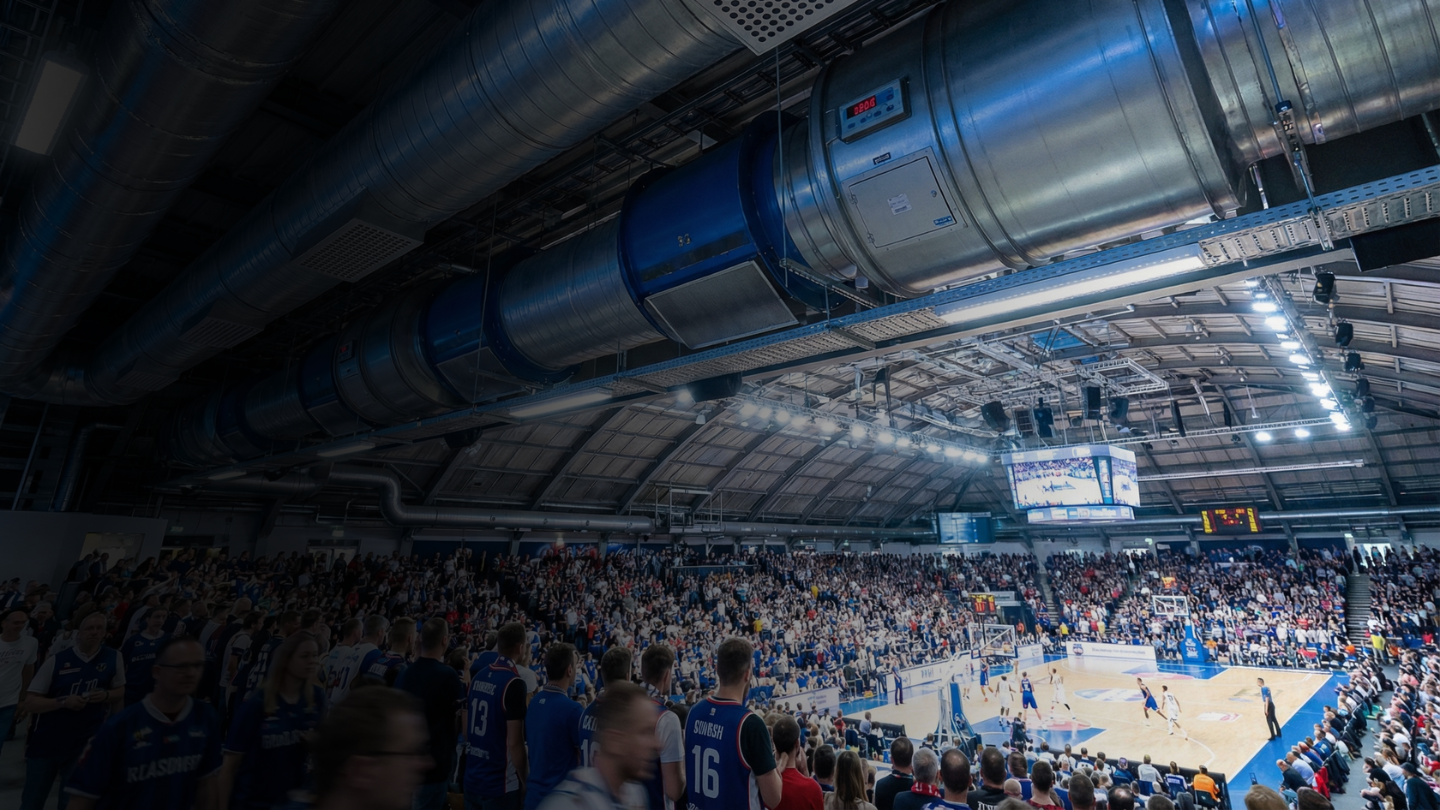
A venue's security system sits idle most of the week, then has to work perfectly for four hours while a full house moves through it.
Connextivity designs venue security systems for stadiums, arenas, and concert halls, covering surveillance, access control tied to ticketing, and crowd analytics under one command interface.
The engineering gets sized around doors open, when every gate saturates at the same moment, rather than around a quiet weekday walkthrough.
Security Systems for Sports and Entertainment Venues
Every venue has the same three pressure points: the gates at doors open, the concourse at intermission, and the back-of-house corridors running from loading dock to dressing room.
Gates fail on throughput. The concourse is a visibility problem once crowd density climbs past what a fixed camera can resolve, and back-of-house is a credentialing problem, because event staff, touring crew, vendors, and contractors need different access on different nights and most of them are temporary.
Designing all three the same way means at least two of them underperform.
Connextivity designs security systems that help venues:
• Monitor crowd movement and high-traffic areas
• Prevent unauthorized access to restricted zones
• Improve safety for guests, staff, and performers
• Detect and respond to incidents in real time
• Maintain smooth entry, exit, and event operations
Each solution is customized based on venue size, layout, and event requirements.

Sports and entertainment venues require layered security systems that work together to ensure safety without disrupting the guest experience. Connextivity designs integrated venue security ecosystems that include:
Advanced Video Surveillance
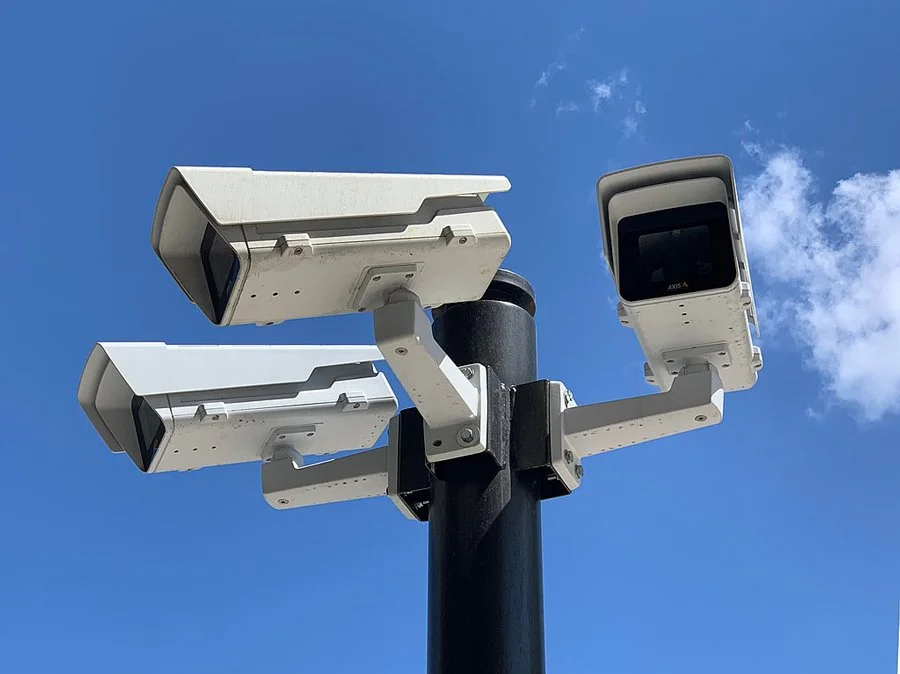
High-definition cameras provide full coverage across seating areas, entrances, concourses, and parking zones.
Modern surveillance systems use AI analytics to detect unusual behavior, monitor crowd density, and identify potential threats in real time.
Crowd Monitoring & Analytics
AI-powered systems can track crowd flow, detect congestion, and identify unusual movement patterns, allowing security teams to act before issues escalate.
Access Control & Ticketing Integration
Control entry with secure ticketing systems, turnstiles, and credential-based access for staff, VIPs, and restricted areas.
Modern systems can include biometric verification and RFID technologies for secure and efficient entry.
Intrusion Detection & Emergency Response
Integrated alarm systems and emergency alerts enable rapid response to incidents, ensuring safety across the venue.
What a Venue Security System Includes
Protect attendees, staff, and infrastructure with integrated venue security technologies.
CROWD MONITORING SYSTEMS

Integrated Security and Centralized Command
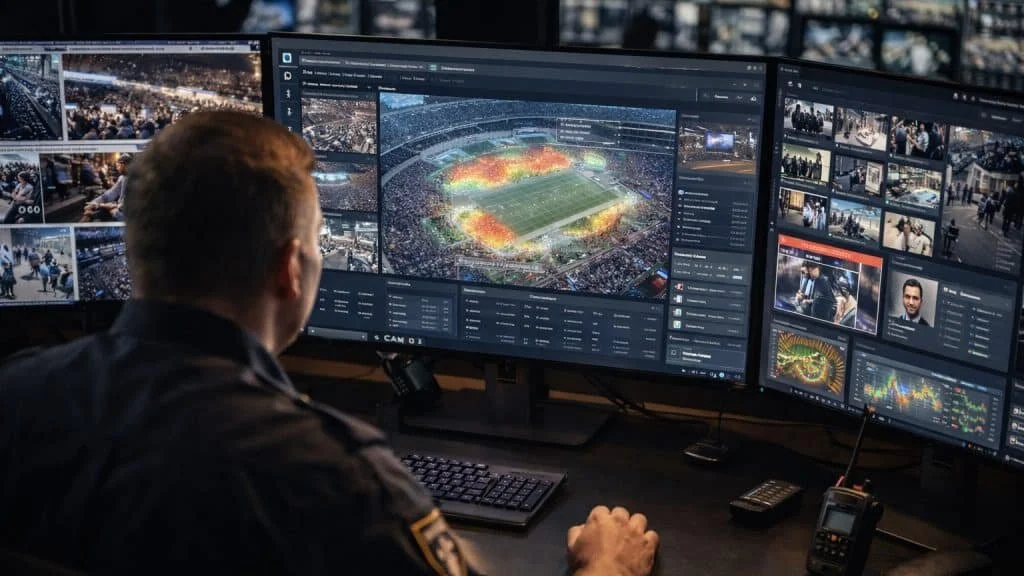
Large venues require centralized monitoring to manage multiple systems and respond to incidents quickly.
Connextivity integrates surveillance, access control, alarms, and analytics into a single platform that provides real-time visibility across the entire venue.
Integrated systems allow operators to:
• Monitor crowd activity across all areas of the venue
• Verify incidents using live and recorded video
• Manage access for staff, performers, and VIPs
• Coordinate security teams and emergency response
• Maintain visibility across multiple events and locations
Modern venues often rely on centralized command systems that unify all security technologies into one interface, improving response times and coordination.
Choosing the Right Security System for Sports Venues
Sports and entertainment venues require security systems capable of handling large crowds, complex layouts, and dynamic environments.
Different areas require different surveillance strategies.
For example:
• Wide-angle cameras monitor seating areas and large crowds
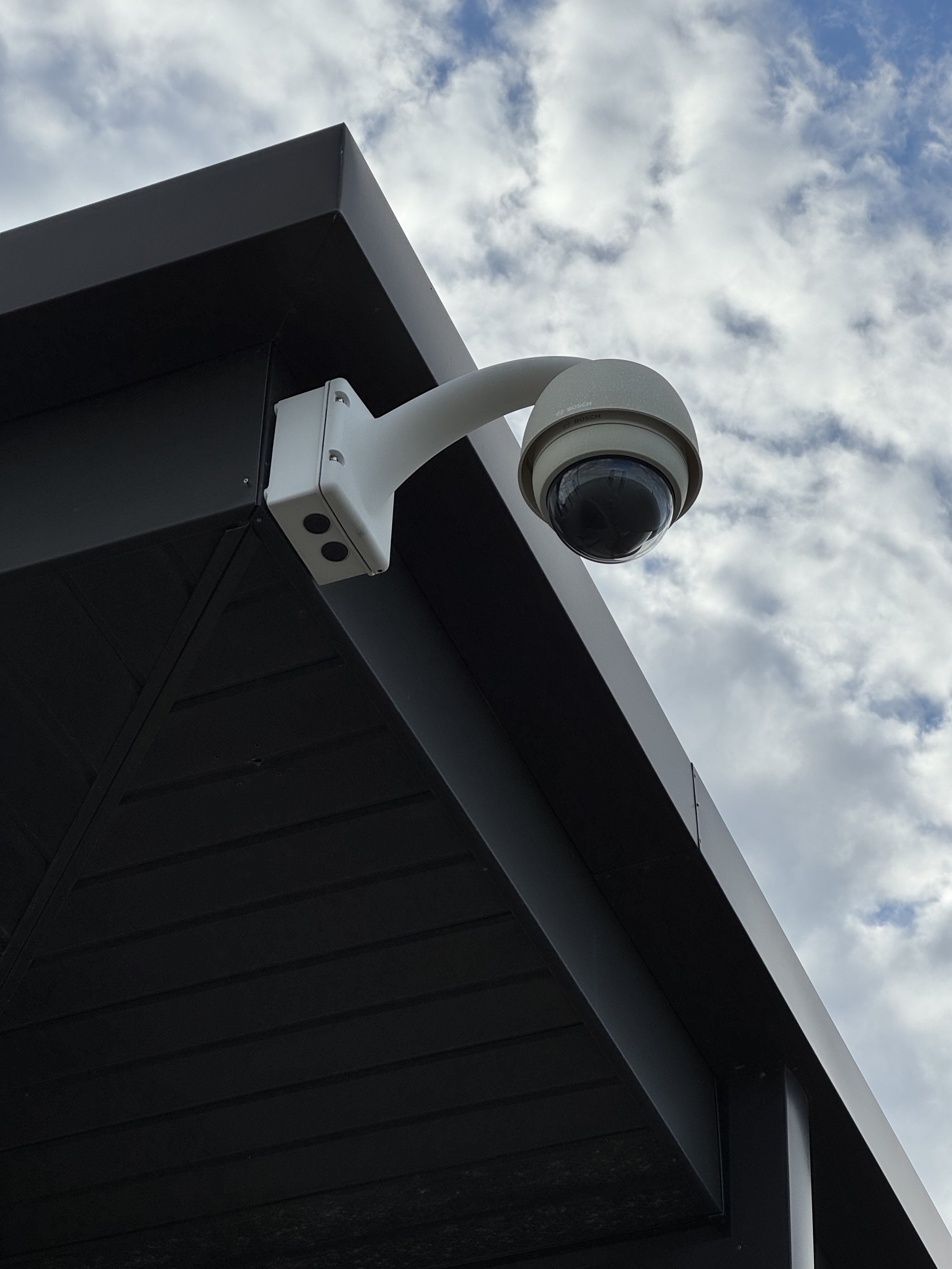
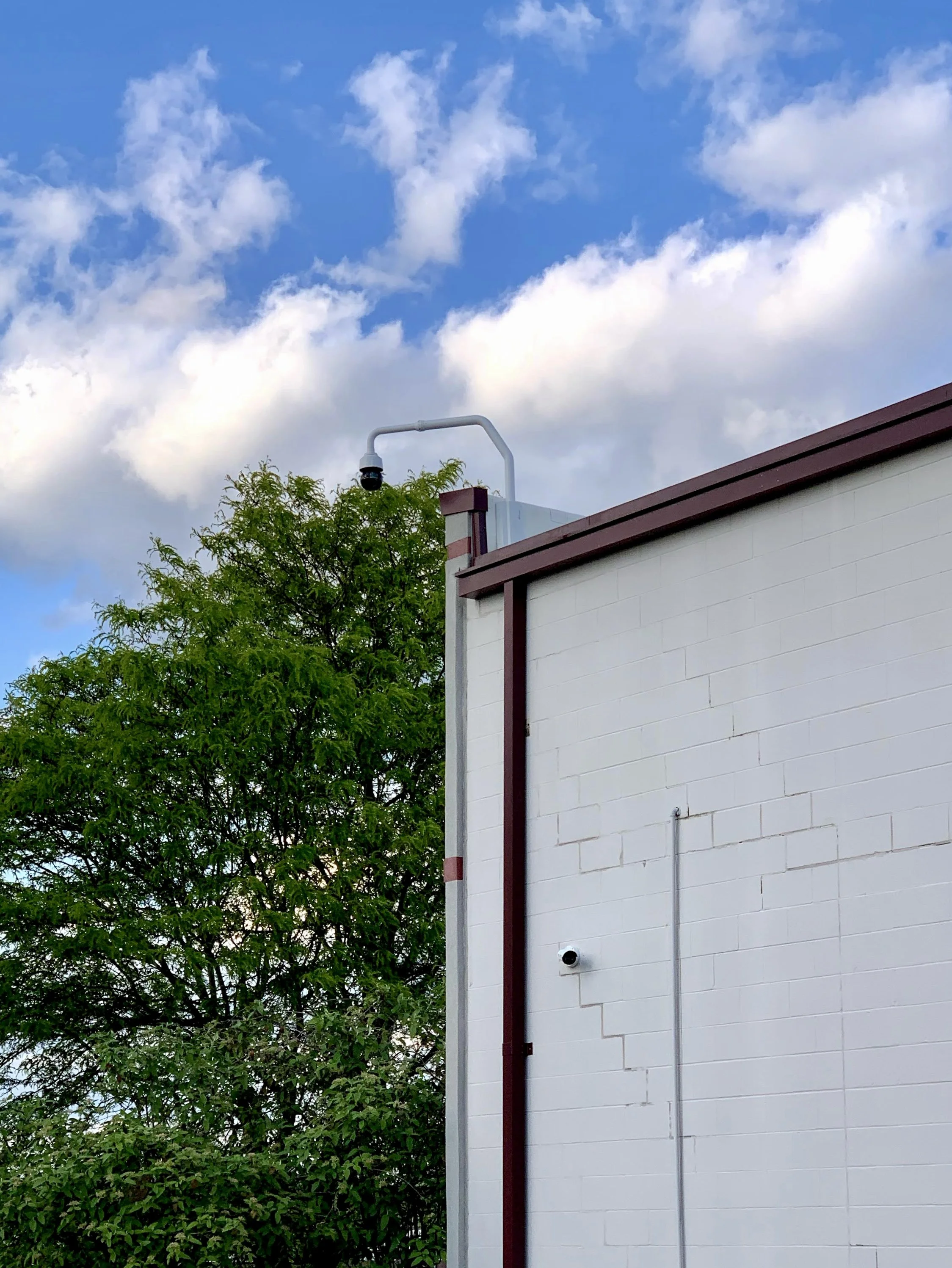
• PTZ cameras track movement across dynamic environments
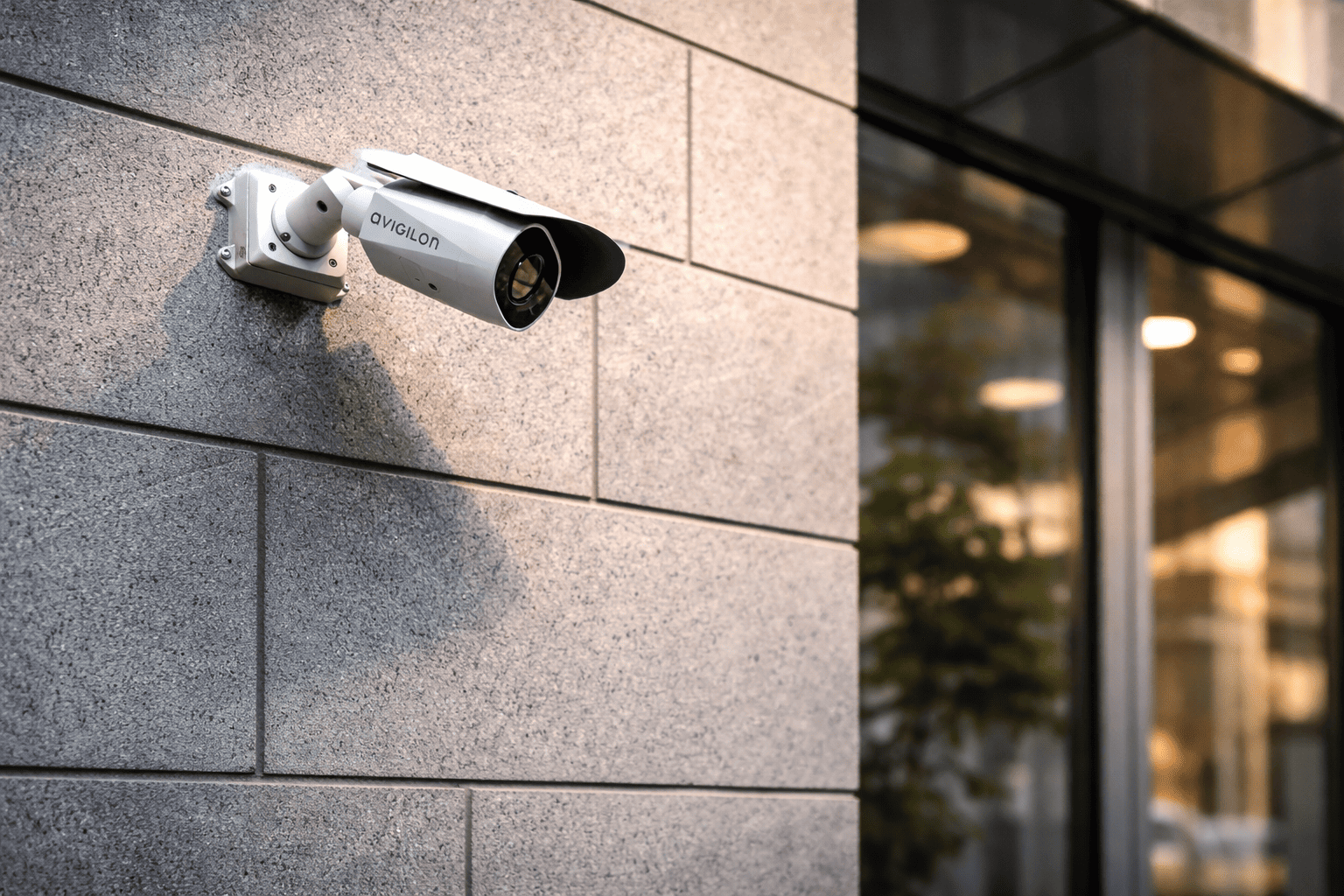
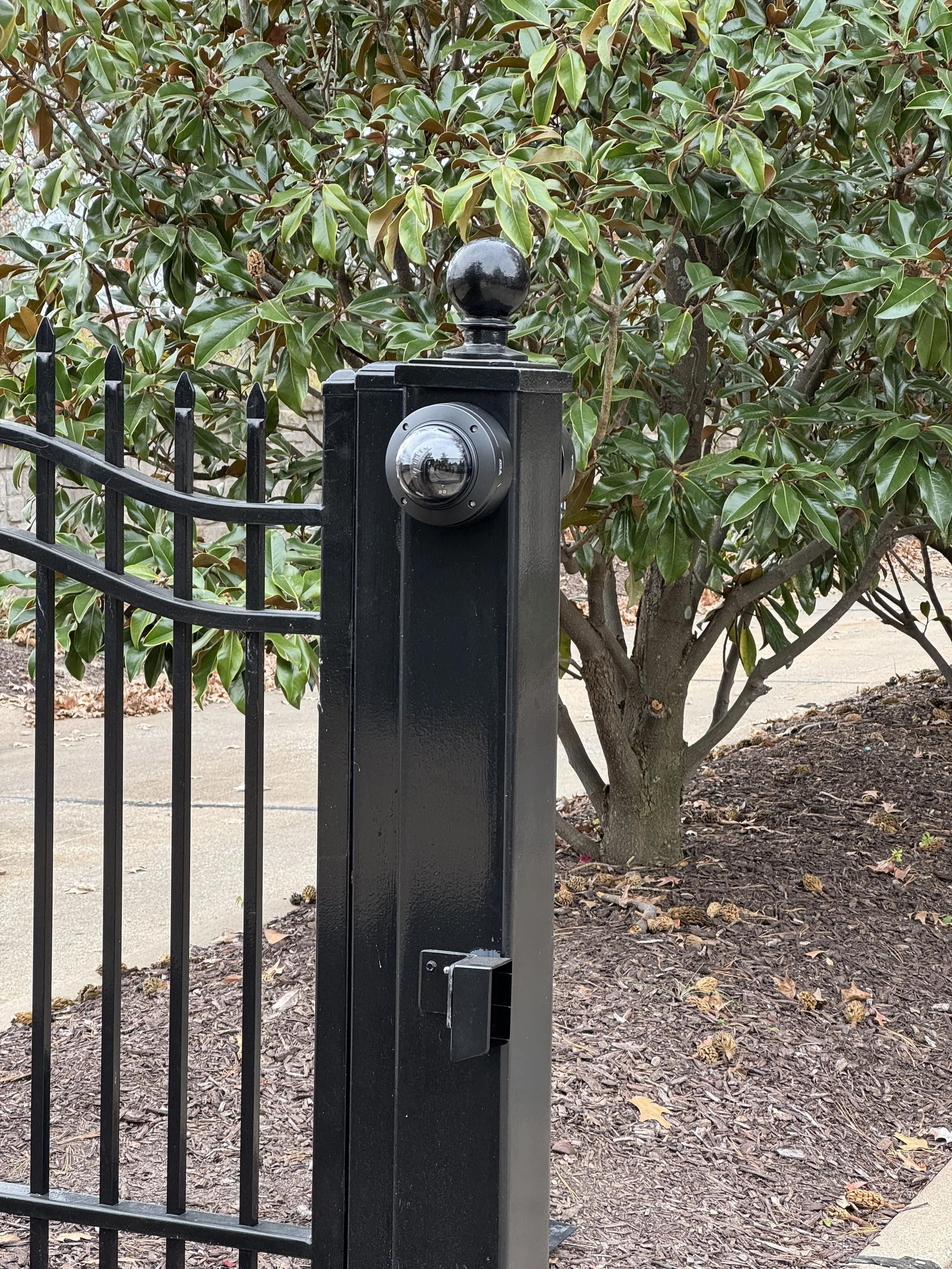
• Perimeter cameras secure entrances, exits, and surrounding areas
Connextivity designs systems based on:
• Venue size and seating capacity
• Crowd flow and event types
• High-risk areas such as entrances and VIP zones
• Parking and perimeter security needs
Modern stadiums rely on advanced surveillance, access control, and analytics to maintain safety while enhancing the overall fan experience.
Access Control for Sports & Entertainment Venues
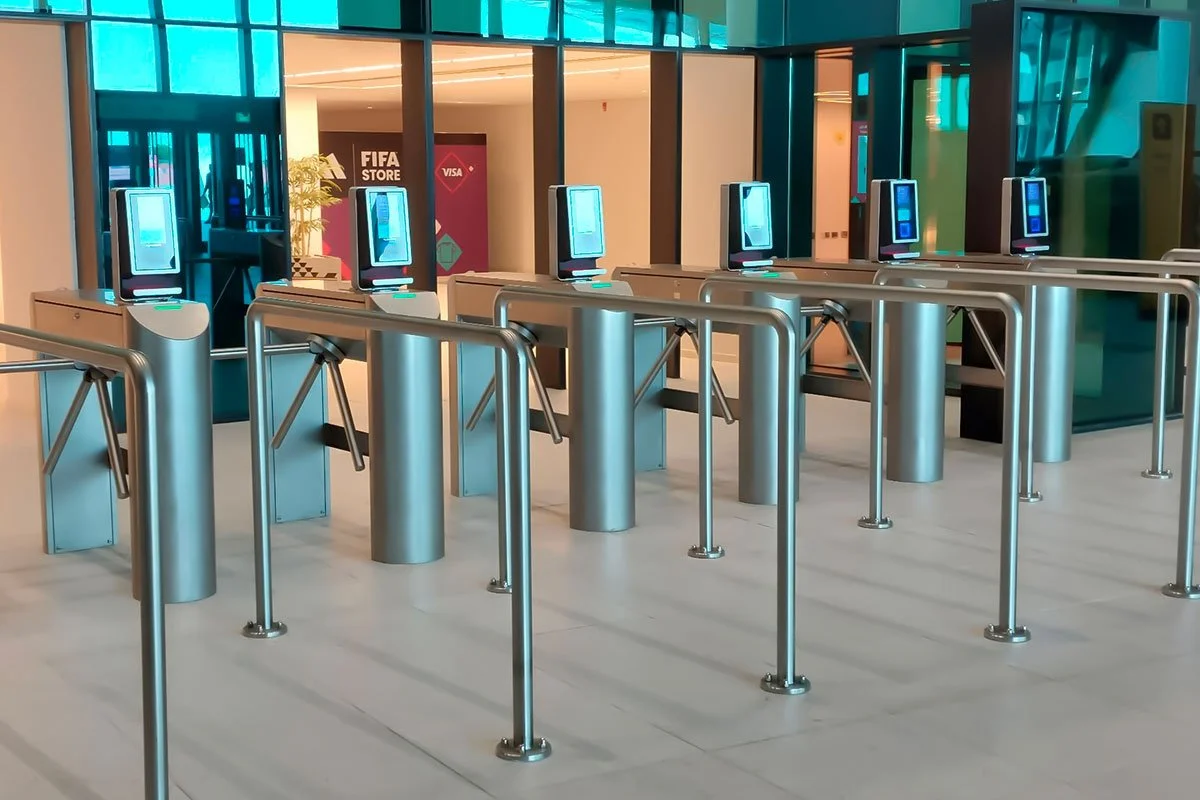
Managing access across a large venue is critical for both safety and operational efficiency.
Modern access control systems allow operators to:
• Control entry for attendees, staff, and vendors
• Restrict access to backstage, locker rooms, and VIP areas
• Track movement across restricted zones
• Prevent unauthorized entry and ticket fraud
Integrated systems ensure only authorized individuals access specific areas while maintaining smooth entry for guests.

Our Customers
Security Projects across New York


Our Clients



-
Ticketing handles attendees. Access control handles everyone else: staff, touring crew, vendors, media, and contractors, each needing different doors on different nights. The two usually stay separate and get bridged at the credential layer, so a scanned ticket opens a gate while a badge opens back-of-house. What that bridge looks like depends on which ticketing platform the venue runs.
-
Reliably: occupancy counts, density within a defined zone, queue length, and flow direction. Less reliably: intent. Analytics will tell you a concourse is filling faster than usual and that people have stopped moving. It won't tell you why. The value is getting a person looking at the right camera sooner, not replacing that person.
-
Through commissioning, which is a separate phase from installation. Every camera gets verified against its intended field of view, every reader against its door, every alarm against its response path. For venues the added step is load, since a system that works with six people in the building can still fail with a full house.

Keep Events Moving Without Losing Visibility
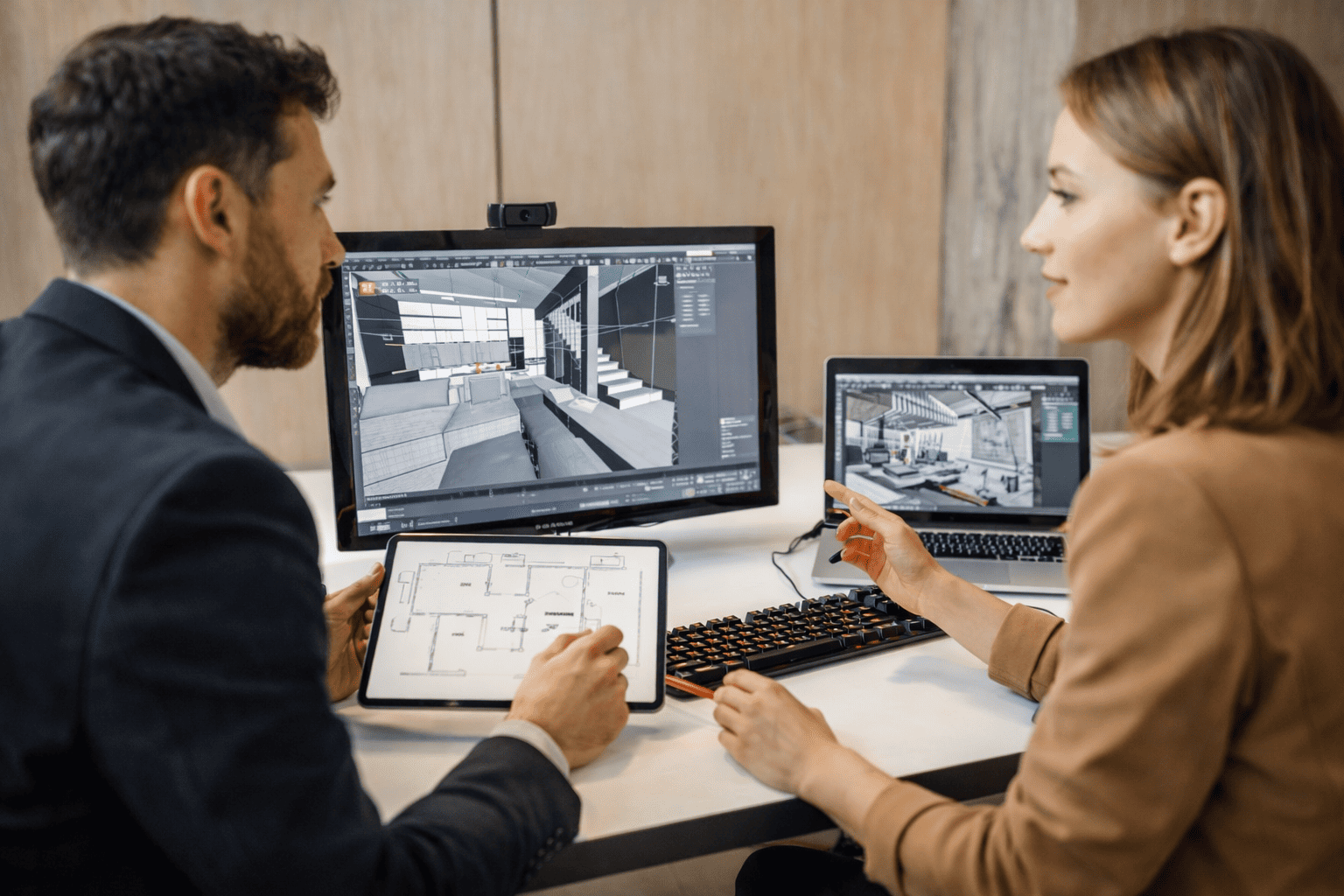
A venue system has to be commissioned and proven before the first event rather than adjusted during one. That means verifying camera coverage at the density you actually run at, testing gate throughput before it matters, and handing over something your operations team can work without calling us.
Start with a walkthrough of the venue and a look at what's already installed.